

Partition of India
5.0/ 5
1 ratings
About This Book
This is a remarkable study of the events leading up to the Partition of India in August 1947. Based on research on the politics of the period from 1935 to 1947, the author has provided an objective account of the role played by the protagonists, namely Jinnah, Gandhi, Nehru, Azad, and the last two British Viceroys, Wavell and Mountbatten. The author's overall thesis is that while there was an element of duplicity in the conduct of all the Congress leaders, with the exception of Azad, Jinnah's politics were largely transparent and consistent. The Congress leaders, particularly Gandhi and Nehru, though genuinely committed to their ideologies (Gandhi's ahimsa and non-violence and Nehru's socialistic thinking combined with an intellectual approach), were not sufficiently pragmatic. Instead, they were often motivated by a desire to be perceived as idealists. According to the author, Jinnah was a sincere nationalist and belived in a secular and democratic future for India. However, he was concerned about the rights of the Muslims and it was only when he realised that the Congress would not provide Muslims with equal opportunity after independence, that he embraced the concept of Pakistan, and worked successfully for its implementation. H. M. Seervai has substantiated his argument at every stage with facts, most of which were obtained from contemporary accounts and the subsequent release of the relevant documents.
Track Your Reading
Sign in to save this book, track pages, log finished reads and rereads, and build your Reading Diary.
Sign InHistoryindiapartitionIndia, history, 1947-
The Swinging Light
Book Details
First Published
1989
Pages
255 pages
Rating
5.0 / 5
Ratings
1
Editions
5
Publisher
Oxford Universtiy Press
Language
ENG
Status
Published
The People Behind The Book
Authors
You May Also Like
Recommended Books
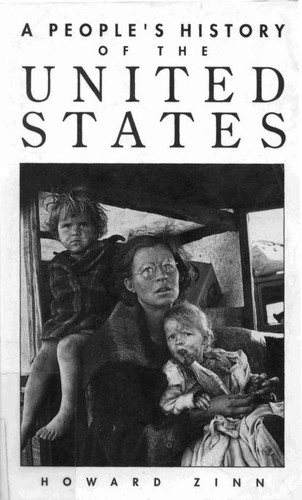
A People's History of the United States
1980
Howard Zinn, Kathy Emery, Ellen Reeves, Matt Damon, Howard Zinn