



Framing the Early Middle Ages
0.0/ 5
0 ratings
About This Book
The Roman empire tends to be seen as a whole whereas the early middle ages tends to be seen as a collection of regional histories, roughly corresponding to the land-areas of modern nation states. As a result, early medieval history is much more fragmented. In recent decades, the rise of early medieval archaeology has also transformed our source-base, but this has not been adequately integrated into analyses of documentary history in almost any country. This book integrates documentary and archaeological evidence together, and provides a history of the period 400—800, by means of systematic comparative analyses of each of the regions of the latest Roman and immediately post-Roman world, from Denmark to Egypt (only the Slav areas are left out). The book concentrates on classic socio-economic themes, state finance, the wealth and identity of the aristocracy, estate management, peasant society, rural settlement, cities, and exchange. These are only a partial picture of the period, but they are intended as a framing for other developments, without which those other developments cannot be properly understood. The book argues that only a complex comparative analysis can act as the basis for a wider synthesis. The book takes all different developments as typical, and constructs a synthesis based on a better understanding of difference and the reasons for it.
Track Your Reading
Sign in to save this book, track pages, log finished reads and rereads, and build your Reading Diary.
Sign InHistoryCivilizationMedieval CivilizationMiddle AgesCivilization, medievalEurope, history, 392-814Mediterranean region, historyExcavations (archaeology), europeMiddle ages, history
The Swinging Light
Book Details
First Published
2005
Pages
1,018 pages
Rating
0.0 / 5
Ratings
0
Editions
7
Publisher
Ebsco Publishing
Language
ENG, UND
Status
Published
The People Behind The Book
Authors
You May Also Like
Recommended Books
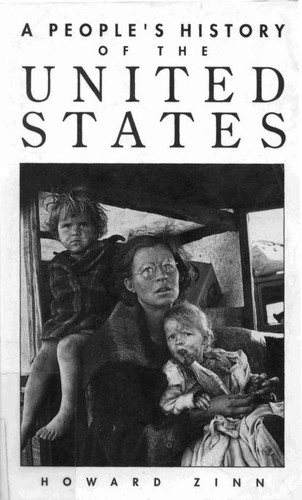
A People's History of the United States
1980
Howard Zinn, Kathy Emery, Ellen Reeves, Matt Damon, Howard Zinn