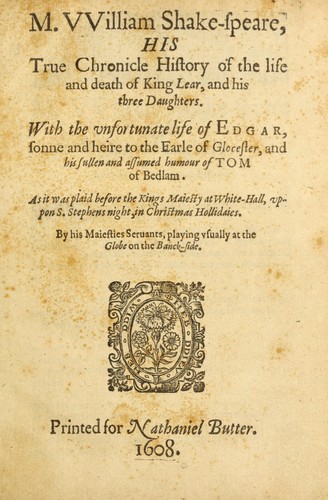


Literature, nationalism, and memory in early modern England and Wales
0.0/ 5
0 ratings
About This Book
"The Tudor era has long been associated with the rise of nationalism in England, yet nationalist writing in this period often involved the denigration and outright denial of Englishness. Philip Schwyzer argues that the ancient, insular and imperial nation imagined in the works of writers such as Shakespeare and Spenser was not England, but Britain. Disclaiming their Anglo-Saxon ancestry, the English sought their origins in a nostalgic vision of British antiquity. Focusing on diverse texts including The Faerie Queene, English and Welsh antiquarian works, The Mirror for Magistrates, Henry V and King Lear, Schwyzer charts the genesis, development and disintegration of British nationalism in the sixteenth and early seventeenth centuries. An important contribution to the expanding scholarship on early modern Britishness, this is the first study of its kind to give detailed attention to Welsh texts and traditions, arguing that Welsh sources crucially influenced the development of English literature and identity."--Jacket.
Track Your Reading
Sign in to save this book, track pages, log finished reads and rereads, and build your Reading Diary.
Sign InBritons in literatureEnglish literatureHistoryHistory and criticismIn literatureLiterature and historyMemory in literatureNational characteristics, British, in literatureNational characteristics, Welsh, in literatureNationalism and literatureNationalism in literatureEnglish literature, history and criticism, early modern, 1500-1700
The Swinging Light
Book Details
First Published
2004
Pages
201 pages
Rating
0.0 / 5
Ratings
0
Editions
7
Publisher
Cambridge University Press
Language
ENG
Status
Published
The People Behind The Book
Authors
You May Also Like
Recommended Books
The experience of literature
1967
Lionel Trilling, William Shakespeare, Антон Павлович Чехов, George Bernard Shaw, Nathaniel Hawthorne, Herman Melville, Fiódor Dostoievski, James Joyce, William Faulkner, Edgar Allan Poe, Albert Camus


The Story and Its Writer -- Compact Eighth Edition
2010
Ann Charters, Chinua Achebe, Margaret Atwood, Ambrose Bierce, Jorge Luis Borges, Ray Bradbury, Антон Павлович Чехов, Kate Chopin, William Faulkner, Gabriel García Márquez, Nathaniel Hawthorne, Shirley Jackson, James Joyce, Herman Melville, Alice Munro, Edgar Allan Poe, Annie Proulx, Alice Walker, Richard Wright