






The Treason of Isengard
4.5/ 5
2 ratings
About This Book
The Treason of Isengard is the second volume of The History of The Lord of the Rings and the seventh volume of The History of Middle-earth. The Treason of Isengard continues the account of the creation of The Lord of the Rings started in the earlier volume, The Return of the Shadow. In this book, following the long halt in the darkness of the Mines of Moria with which The Return of the Shadow ended, is traced the great expansion of the tale into new lands and new peoples south and east of the Misty Mountains; the emergence of Lothlorien, of Ents, of the Riders of Rohan, and of Saruman the White in the fortress of Isengard. In brief outlines and penciled drafts dashed down on scraps of paper are seen the first entry of Galadriel, the earliest ideas of the history of Gondor, the original meeting of Aragorn and Eowyn, its significance destined to be wholly transformed. Conceptions of what lay ahead are seen dissolving as the story took its own paths, as in the account of the capture of Frodo and his rescue by Sam Gamgee from Minas Morgul, written long before J.R.R. Tolkien actually came to that point in the writing of The Lord of the Rings. A chief feature of the book is a full account of the original Map, with re-drawings of successive phases, which was long the basis and accompaniment of the emerging geography of Middle-earth. An appendix to the book describes the Runic alphabets as they were at that time, with illustrations of the forms and an analysis of the Runes used in the Book of Mazarbul found beside Balin's Tomb in Moria.
Track Your Reading
Sign in to save this book, track pages, log finished reads and rereads, and build your Reading Diary.
Sign InEnglish Fantasy fictionTextual CriticismMiddle Earth (Imaginary place)Lord of the rings (Tolkien, J. R. R.)Middle earth (imaginary place), fictionBritish and irish fiction (fictional works by one author)Fiction, fantasy, epicFiction, fantasy, generalHistory and criticism7.Fiction, fantasy, historicalBaggins, frodo (fictitious character), fiction
The Swinging Light
Book Details
First Published
1989
Pages
504 pages
Rating
4.5 / 5
Ratings
2
Editions
13
Publisher
Tandem Library
Language
ENG
Status
Published
The People Behind The Book
Authors
You May Also Like
Recommended Books


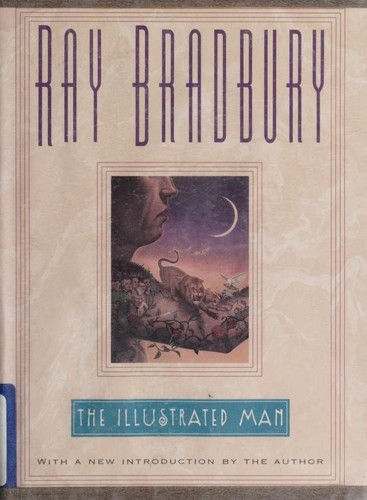


Tomorrow's children
1966
Isaac Asimov, Robert Sheckley, Margaret St. Clair, Henry Kuttner, C. L. Moore, Fritz Leiber, William M. Lee, Damon Knight, Murray Leinster, Zenna Henderson, Robert A. Heinlein, Gertrude Friedberg, Philip K. Dick, Mark Clifton, Ray Bradbury, Jerome Bixby, Stephen Vincent Benét, Clifford D. Simak, James H. Schmitz
