


Mightier than the sword
4.0/ 5
1 ratings
About This Book
Uncle Tom's Cabin is perhaps the most influential and iconic novel ever written by an American. In this cultural history, the author not only charts the factors that conspired to make Harriet Beecher Stowe's 1852 novel an instant bestseller but also traces the novel's political, cultural, and social legacy up to the present day. As the author reveals, the American imagination was primed for Stowe's novel. A member of a prominent, reform-minded New England family, Stowe drew from all realms of culture, high and low, from religion, thrillers, and slave narratives to create a uniquely American text, one that would advocate on behalf of the oppressed and pave the way for a more egalitarian democracy. By illustrating the evils of slavery with a moving, character-driven story (which Stowe claimed was inspired by her own divine visions) Uncle Tom's Cabin accelerated the rise of abolitionism in the North. In the South, it met with contrasting reactions: it appealed to some with its portrayal of kind southerners and evil northerner, Simon Legree, while others could not condemn it enough. Could a single book have fueled the war? The author investigates whether this one woman could have led the country to break apart. In the wake of the war, Uncle Tom's Cabin influenced emancipation causes worldwide, during that century and the next. And, despite the legalized segregation of the Jim Crow era, it remained popular, being spun off into traveling shows, silent films, advertising campaigns, cartoons, and merchandise ranging from figurines, to card games. The Southern backlash to it also spawned works as The Clansman; its film version, The Birth of a Nation; and even Gone with the Wind. In a tribute to the two hundredth anniversary of Harriet Beecher Stowe's birth, the author reveals the impact of Stowe's book not only on the abolitionist movement and the American Civil War but also on worldwide events, including the end of serfdom in Russia, down to its influence in the twentieth century. He explores how both Stowe's background as the daughter in a famously intellectual family of preachers and her religious visions were fundamental to the novel. And he demonstrates why the book was beloved by millions, and won over even some southerners, while fueling lasting conflicts over the meaning of America.
Track Your Reading
Sign in to save this book, track pages, log finished reads and rereads, and build your Reading Diary.
Sign InAmerican Didactic fictionHistory and criticismInfluenceWomen authorsAmerican literatureCharactersSlavery in literatureStowe, harriet beecher, 1811-1896Didactic fiction, history and criticismNew York Times reviewed
The Swinging Light
Book Details
First Published
2011
Pages
351 pages
Rating
4.0 / 5
Ratings
1
Editions
2
Publisher
W. W. Norton & Co.
Language
ENG
Status
Published
The People Behind The Book
Authors
You May Also Like
Recommended Books


The Norton Anthology of Short Fiction -- Shorter Seventh Edition
2006
Richard Bausch, R. V. Cassill, Sherwood Anderson, Ambrose Bierce, Jorge Luis Borges, Антон Павлович Чехов, Kate Chopin, William Faulkner, F. Scott Fitzgerald, Gabriel García Márquez, Nathaniel Hawthorne, James Joyce, Herman Melville, Alice Munro, Vladimir Nabokov, Edgar Allan Poe, Philip Roth, John Steinbeck, Alice Walker, Richard Wright, Margaret Atwood


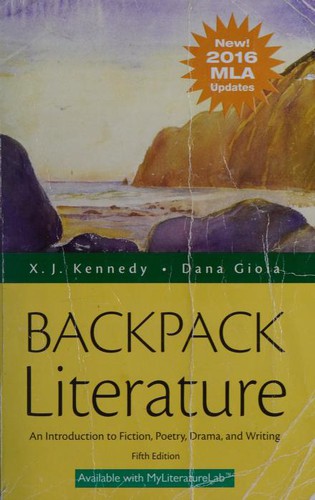
Backpack Literature -- Fifth Edition
2016
X. J. Kennedy, Dana Gioia, William Faulkner, Alice Walker, Kate Chopin, Jack London, Jorge Luis Borges, Chinua Achebe, John Steinbeck, Shirley Jackson, Margaret Atwood, Nathaniel Hawthorne, James Joyce, Lewis Carroll, William Shakespeare, Sylvia Plath, Emily Brontë, Edgar Allan Poe, Tennessee Williams