





Outlaw Culture
0.0/ 5
0 ratings
About This Book
Bell hooks, one of America's leading black intellectuals, is also one of our most clear-eyed and penetrating analysts of culture. Outlaw culture--the culture of the margin, of women, of the disenfranchised, of racial and other minorities--lies at the heart of bell hooks' America. Raising her powerful voice against racism and other forms of oppression in the United States, hooks unlocks the politics of representation and the meaning of that politics for and in our time. Outlaw Culturegives us hooks on many of the most important subjects of the contemporary scene, from date rape, censorship, and ideas of race and beauty, to gangsta rap, the dilemmas of feminism, and the rise of black intellectuals. Using the mix of essays and sometimes highly personal dialogues for which she is well known, hooks takes on Spike Lee and Naomi Wolf, Malcolm X and Madonna, Camille Paglia, Jean-Michel Basquiat and Ice Cube, and the films The Bodyguard and The Crying Game. She speaks movingly about male violence against women, about black self-hatred, and about the ways an oppressive society creates its outlaws. In each case, hooks affirms a vision of intellectual and political engagement, foreseeing the possibility of active, critical participation in movements for radical social change. Outlaw Culture speaks clearly and strongly for the need to connect the production of knowledge with transformative democratic values.
Track Your Reading
Sign in to save this book, track pages, log finished reads and rereads, and build your Reading Diary.
Sign InSocial conditionsAfrican AmericansRace relationsIntellectual lifeFeminismAfro-AmericansAfro-American peopleGeisteslebenUniversity of South AlabamaGegenkulturSociale situatieSchwarze
The Swinging Light
Book Details
First Published
1994
Pages
320 pages
Rating
0.0 / 5
Ratings
0
Editions
8
Publisher
Taylor & Francis Group
Language
ENG
Status
Published
The People Behind The Book
Authors
You May Also Like
Recommended Books


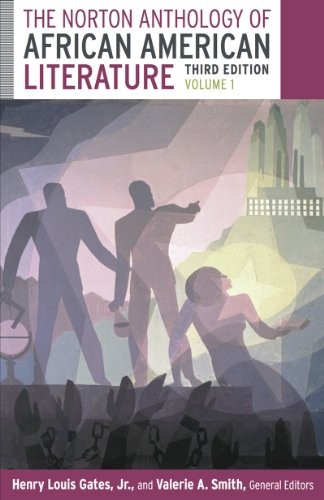
The Norton Anthology of African American Literature
2014
Henry Louis Gates, Jr., Valerie Smith, William L. Andrews, Kimberly Benston, Brent Hayes Edwards, Frances Smith Foster, Deborah E. McDowell, Robert G. O'Meally, Hortense J. Spillers, Cheryl A. Wall


